
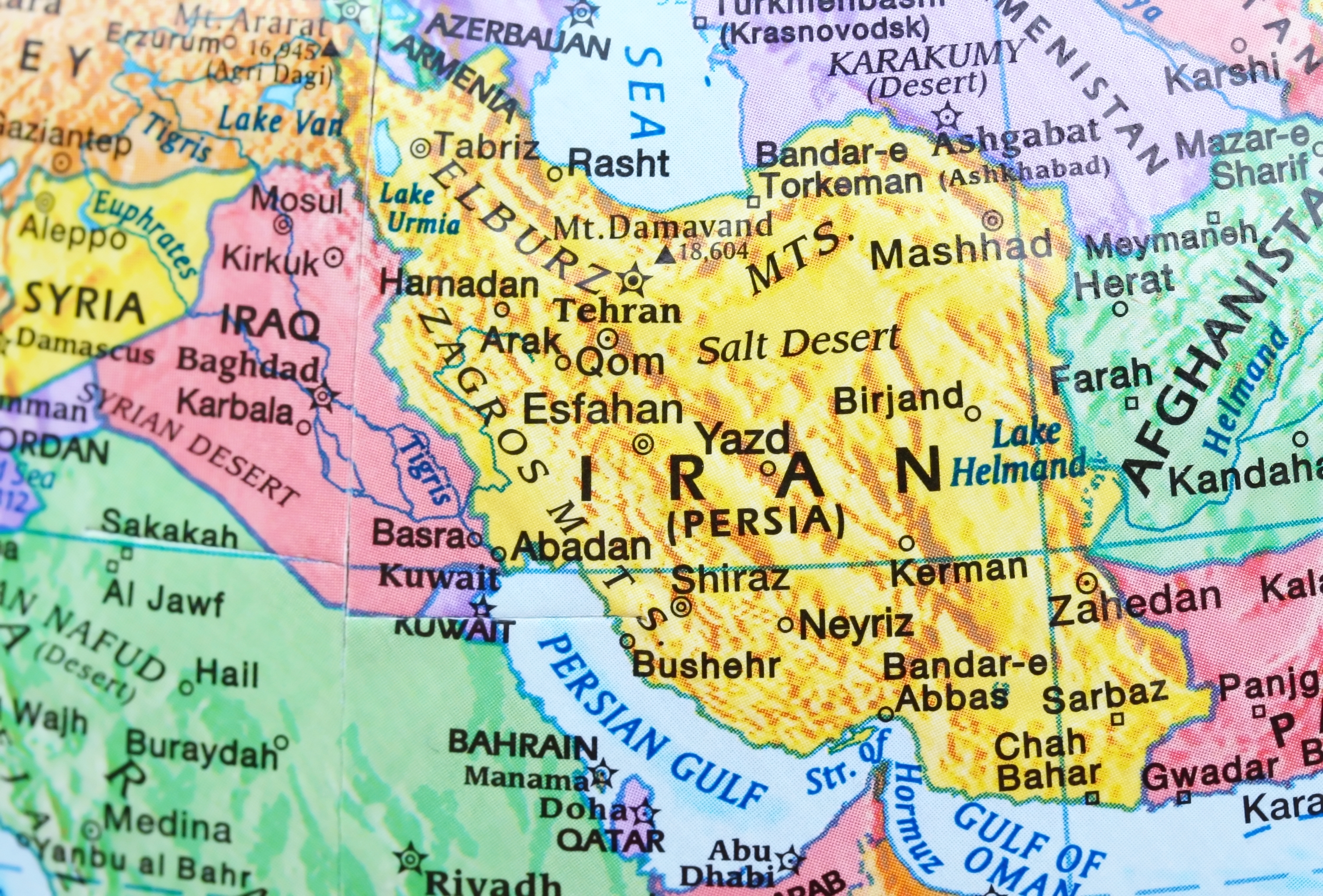
Middle East shipping disruptions are back in focus after murmurs of peace fizzled out this week. At StraitLink, we are already adjusting.
Tensions that affect key transit corridors—particularly around the Red Sea and the Strait of Hormuz—are not stopping global trade, but they are changing how freight moves, how long it takes, and what it costs.
This is a situation that calls for control. It isn’t the time to scramble for solutions. StraitLink can help you prepare.
What’s Actually Changing
Shipping lanes are not closing—but they are shifting.
Carriers are making adjustments that affect global supply chains in practical ways:
- Rerouting around high-risk zones, vessels diverting from the Red Sea and Suez Canal, and increasing transit times on Asia–Europe and related lanes
- Rising operating costs, higher fuel consumption from longer routes, combined with war-risk insurance premiums
- Schedule variability, less predictable transit times, as carriers adjust routing decisions dynamically
- Capacity tightening, longer voyages, and the reduction of available vessel capacity across global networks
These are measured changes—not sudden stops—but they compound quickly.
Where Disruptions Show Up First
We are already seeing pressure build in predictable areas:
- Transit time extensions, shipments arriving later than the original schedules due to rerouting
- Freight cost increases, driven by fuel, insurance, and capacity constraints
- Port congestion shifts, as altered routes redistribute volume across alternative hubs
- Planning uncertainty, where fixed schedules no longer hold the same reliability
This is where supply chains begin to feel strain—not at origin, but mid-journey.
What StraitLink Is Doing Now
We are not waiting for conditions to stabilize. We are planning within them.
Our teams are actively:
- Re-routing shipments proactively, selecting stable corridors based on real-time carrier behavior
- Adjusting transit expectations early, communicating schedule changes before they become issues
- Securing capacity across multiple options, avoiding over-reliance on any single routing path
- Monitoring carrier decisions daily, adapting plans as conditions evolve rather than reacting after delays occur
This is about managing cargo through disruption. Nobody can avoid it and experience is the key to preparation.
What You Should Be Doing
In this environment, small adjustments make a measurable difference.
We are advising clients to:
- Build flexibility into routing, allowing for alternate paths when primary lanes shift
- Plan with extended transit windows, especially for time-sensitive cargo
- Monitor landed cost changes closely, including fuel and surcharge impacts
- Stay aligned with your forwarder, ensuring decisions are based on current conditions—not outdated schedules
The goal is not perfection or avoidance. It is predictability—building strong, organized systems you can rely on during difficulties.
Steady Hands in Unsteady Conditions
Global shipping has always moved through periods of disruption. This is one of them.
What matters is not avoiding change—it is managing it with clarity and consistency.
At StraitLink, we focus on what can be controlled: routing, timing, communication, and execution.
If your supply chain is being affected by Middle East shipping disruptions, we can help you adjust early—and keep freight moving without unnecessary disruption.